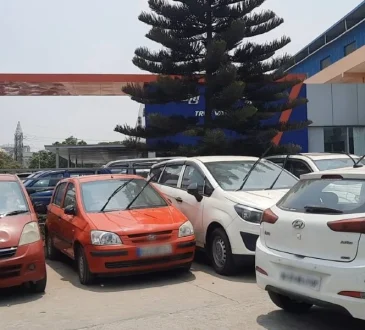
Plumbers, landscapers plus delivery crews all rely on rigs that start every morning. Owners comparing used cars in hesperia often find pickups or cargo haulers priced far below new models. Saving thousands upfront frees money for tools, payroll or marketing. However, a cheap purchase becomes expensive when breakdowns cancel paid jobs. Summer heat over one hundred degrees strains engines carrying heavy loads. Choosing wisely means checking condition along with payload limits before any contract gets signed.
Payload Needs Come First
Payload is the total weight a vehicle can safely carry. Half-ton pickups usually handle around 1,500 to 2,300 pounds. Contractors hauling stone or lumber may need three-quarter-ton models instead. Check the door sticker since the exact figure varies by setup.
Pickup or Cargo Van
Open beds suit bulky materials such as soil, pipes, or gravel. Enclosed vans protect tools from theft plus blowing dust. Tall roof vans let technicians stand while organizing shelves inside. Fuel use is usually similar when both carry comparable weight.
Checking Condition Before Paying
Commercial rigs often show heavier wear than personal family models. Spending one hour on inspection can prevent weeks of lost income.
- Look for sagging rear springs that hint at constant overloading.
- Request fleet maintenance logs since many companies track every service visit.
- Examine hitch receivers for heavy scraping or bent mounting brackets.
- Cycle through each gear slowly to notice any slipping transmission.
- Inspect cargo floors for holes caused by dropped tools or ladders.
- Ask a mechanic to read idle hours stored by the engine computer.
- Check brake pads closely because loaded stops wear them quickly.
- Run a history report to confirm a clean title with no salvage branding.
Engines That Handle Heat
Radiators struggle when loaded rigs climb grades during afternoon heat. Look for clean coolant without any oily film or rusty color. An auxiliary transmission cooler helps if towing trailers becomes routine. Diesel engines often last longer but repairs usually cost noticeably more.
What Ongoing Costs Come with Commercial Rig Ownership
Purchase price covers only the first part of the bill. Owners browsing used cars in hesperiafor company use should reserve about ten percent extra for early repairs. Fresh fluids or brake pads often need attention within the first few months. Tires rated for heavy loads also cost more than standard passenger sets.
Commercial auto insurance usually runs higher than personal coverage. Fuel may become the largest monthly expense on busy delivery routes. Federal tax rules may let qualifying companies deduct much of a heavy rig’s price in year one. Speaking with an accountant confirms what applies before buying anything.
Fuel Economy Under Load
Extra weight lowers mileage noticeably on every trip. Full-size pickups often average fifteen to twenty miles per gallon unloaded. Keeping tires properly inflated recovers some of that lost efficiency each week.
Organizing Cargo Space Efficiently
Shelving systems keep parts sorted so crews finish jobs faster. Many second-hand vans already include racks from previous fleet owners. Confirm shelves are bolted firmly before loading heavy equipment.
Helpful FAQ for Fleet Buyers
- How many miles are acceptable on a second-hand commercial pickup for daily jobs? Well-serviced gas engines often reach 200,000 miles before major overhauls.
- Does a cargo van need special insurance for company use? Yes, commercial auto coverage is usually required when vehicles earn income.
- Should owners buy former fleet rigs from large rental companies? They often have detailed service records but may carry high mileage.
- What payload capacity suits most landscaping or plumbing crews daily? Around 1,500 to 2,000 pounds covers most everyday tool loads.
- Do diesel engines save money on short local delivery routes? Usually not, since short trips raise maintenance costs on modern diesels.
- How often should fluids be changed on heavily loaded rigs? Follow the severe service schedule printed in the owner’s manual.
Steady Choices Build Lasting Income
A reliable second-hand rig protects income better than a flashy upgrade. Matching capacity to daily tasks prevents overloading problems later. Thorough inspections reveal fleet abuse that photos rarely show. Setting aside repair funds keeps schedules intact during busy seasons. Regular servicing done on time matters more than finding a perfect vehicle.