

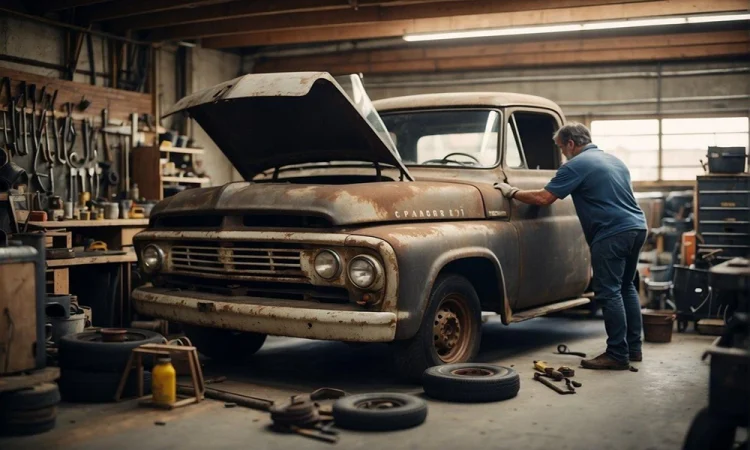
A vintage pickup can offer something a modern truck rarely does: decades of history, distinctive styling, mechanical character, and the opportunity to own a vehicle that feels genuinely individual.
That personality also makes buying one more complicated than shopping for an ordinary used vehicle. Two trucks of the same year and model can have dramatically different histories. One may retain much of its original equipment, while another may have undergone several restorations, engine swaps, suspension changes, or decades of repairs.
A good purchase therefore starts well before the test drive. These checks can help you judge the truck itself, prepare for the transaction, and reduce expensive surprises after the keys change hands.
Verify What the Truck Actually Is
Begin with identification and paperwork rather than paintwork.
Compare the vehicle’s identifying information with its title and other available documentation. Make sure the person offering the truck has the authority to sell it and clarify any discrepancies before discussing payment.
Older trucks can require more detective work than newer vehicles. Decades of repairs and modifications may have changed engines, transmissions, body panels, interiors, or other major components. None of those changes automatically makes a truck undesirable, but they can affect what you believe you are buying.
Ask the seller about modifications and restoration work. Receipts, photographs, maintenance documentation, parts invoices, and previous ownership information can help establish the truck’s history.
The goal isn’t necessarily to find a completely original vehicle. It is to understand the vehicle well enough to judge it accurately.
Inspect Beyond the Paint and Interior
An attractive finish can make an immediate impression, but cosmetic condition should not substitute for a thorough inspection.
Look carefully at the frame, floors, cab mounts, body supports, suspension attachment areas, bed structure, and other places where corrosion or previous repairs may be difficult to see. Uneven gaps, unusual welds, inconsistent finishes, or fresh coatings in isolated areas deserve closer investigation rather than immediate conclusions.
Mechanical condition matters just as much. Check the engine, cooling system, brakes, steering, transmission, suspension, tires, electrical equipment, and signs of fluid leakage. Pay attention to how the truck starts, idles, shifts, stops, and behaves once it reaches operating temperature.
For a significant purchase, consider having someone familiar with older vehicles inspect the truck independently. A knowledgeable set of eyes can be particularly valuable when evaluating restoration work or a vehicle located far from home.
Plan the Purchase and Financing Before You Negotiate
Decide how you intend to pay before becoming emotionally committed to a particular truck.
Start with a realistic maximum purchase budget rather than a monthly-payment target. If financing will be involved, compare the structure of the financing as carefully as the vehicle. Buyers researching classic truck loans should consider factors such as the required down payment, interest rate, repayment term, total borrowing cost, prepayment provisions, vehicle eligibility, and how the lender handles the title and purchase transaction.
Preparation becomes especially important when buying outside a traditional dealership.
A private sale may require the buyer, seller, and financing provider to coordinate paperwork and payment directly. An auction can operate on a much faster timetable and may impose its own registration, deposit, payment, and collection requirements.
Know those rules before making an offer or raising a bidding paddle. Financing approval and an affordable budget are also two different things. Set a walk-away number based on what the truck is worth to you, not simply on the maximum amount available.
Calculate the Cost After the Purchase
The purchase price is only the beginning of the ownership budget.
A truck that has spent much of its life as a hobby vehicle may need maintenance soon after purchase even when it appears to be in good condition. Fluids, hoses, belts, tires, brakes, electrical components, seals, and other age-related items can require attention simply because of time.
Transportation can also matter. A vehicle purchased several states away may need professional shipping rather than a long first drive home.
Then consider registration, insurance, storage, routine maintenance, and any improvements you already expect to make. If the truck is modified, confirm that replacement parts and knowledgeable repair support are reasonably available.
Creating a separate post-purchase reserve can help prevent an exciting acquisition from consuming money intended for other priorities.
Match the Truck to Your Actual Plans
Finally, decide what you want the truck to do.
A collector searching for a historically significant example will evaluate originality differently from someone who wants a weekend cruiser. A buyer planning long road trips may value drivability upgrades, while someone interested in shows may place more emphasis on period-correct details and restoration quality.
Clarifying your objective also prevents overpaying for features that don’t matter to you. A highly original configuration may command attention from collectors but offer little additional value to a buyer planning substantial modifications.
The best classic truck isn’t automatically the rarest or most expensive example. It is the one whose condition, history, configuration, purchase price, and ownership demands align with the way you actually intend to use it.
Conclusion
Buying a classic truck rewards patience. Documentation, structural condition, mechanical health, financing arrangements, ownership costs, and intended use all deserve consideration before a deal is complete.
Treat the purchase as a process rather than a single decision. Verify the truck, inspect it carefully, establish the complete budget, and arrange payment before negotiations become serious.
That preparation may not eliminate every surprise that comes with owning an older vehicle, but it puts you in a much better position to choose a truck for the right reasons-and enjoy it once it is in your garage.

